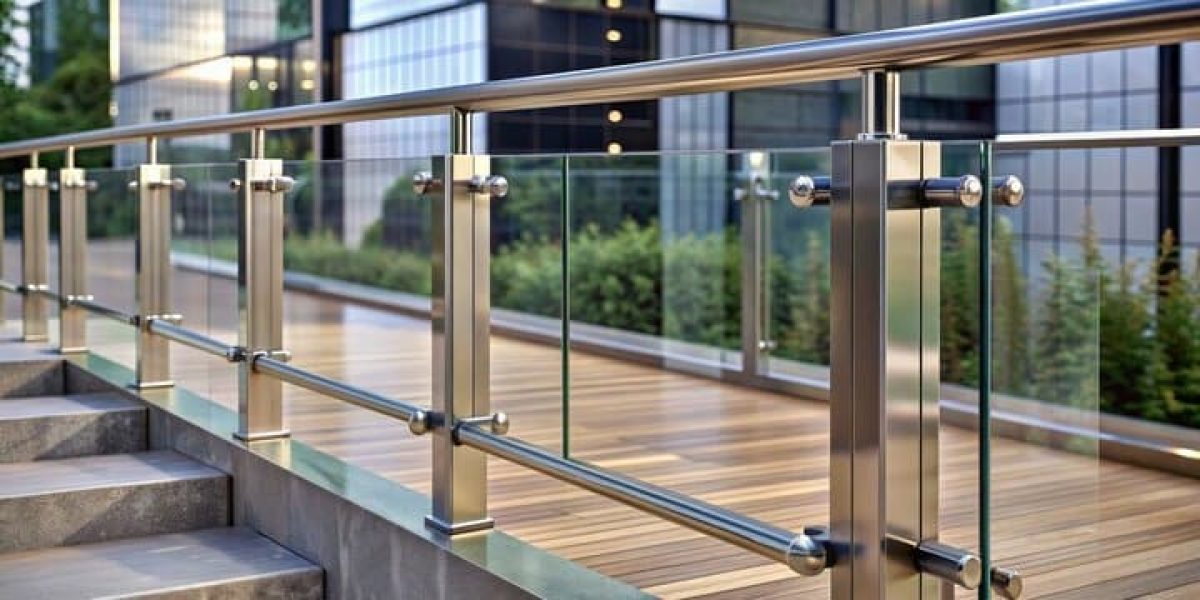
Anti scratch glass railings are glass railing systems treated with a protective coating that helps reduce visible scratches, scuffs, and surface damage over time.
Quick Answer: What Does Anti Scratch Mean?
Anti scratch glass does not mean scratch proof. It means the glass has a special coating that:
- Reduces surface friction
- Minimizes visible scratches
- Improves resistance to daily wear
- Makes cleaning easier
In simple terms, it adds an invisible protective layer over the glass.
How Anti Scratch Coatings Work
Anti scratch coatings are typically made using nano technology or ceramic based materials. These coatings bond to the glass surface and create a smoother, more resistant layer.
- Microscopic pores in the glass are sealed
- The surface becomes smoother and less abrasive
- Dust and particles are less likely to stick
- Friction is reduced, lowering scratch risk
Think of it like a protective shield that keeps your glass looking new for longer.
Main Causes of Scratches on Glass Railings
Understanding where scratches come from helps explain why coatings matter.
- Cleaning with rough cloths or harsh chemicals
- Dust and sand particles acting like sandpaper
- Accidental contact with metal or hard objects
- Heavy use in high traffic areas
Benefits of Anti Scratch Glass Railings
1. Long Term Visual Clarity
The glass stays clear and polished, even after years of use.
2. Easier Cleaning
The smooth surface prevents dirt, fingerprints, and water spots from sticking.
3. Increased Durability
The coating strengthens the surface against everyday wear and tear.
4. Better Outdoor Performance
Perfect for balconies, decks, and exterior installations exposed to weather.
5. Lower Maintenance Costs
Less cleaning and fewer repairs mean long term savings.
Types of Anti Scratch Coatings
Nano Coatings
Advanced coatings that create a thin, invisible protective layer with high resistance to scratches and dirt.
Ceramic Coatings
Known for their durability and hardness, offering stronger long term protection.
Hydrophobic Coatings
Repel water and liquids, reducing stains and making cleaning faster.
Where Anti Scratch Glass Railings Work Best
- Staircases and stair railings
- Balconies and outdoor decks
- Commercial buildings and offices
- Homes with kids or pets
- High traffic areas
Anti Scratch vs Regular Glass Railings
| Feature | Regular Glass | Anti Scratch Glass |
|---|---|---|
| Scratch Resistance | Low | High |
| Maintenance | Frequent cleaning | Minimal cleaning |
| Appearance Over Time | Can become dull | Stays clear longer |
| Long Term Value | Lower | Higher |
Is Anti Scratch Glass Worth It?
Yes, especially if:
- You are installing frameless glass railings
- The glass is highly visible in your design
- You want a low maintenance solution
- You care about long term aesthetics
For most homeowners and businesses, it’s a small upgrade that makes a big difference.
Maintenance Tips
- Use a soft microfiber cloth
- Avoid abrasive cleaners
- Clean with mild soap and water
- Do not use harsh chemicals
Proper care will extend the life of the coating significantly.
Common Misconceptions
- “It never scratches” – It resists scratches, not eliminates them
- “No cleaning needed” – Cleaning is still required, just easier
- “All coatings are the same” – Quality varies significantly
Conclusion
Anti scratch glass railings are not just a luxury upgrade. They are a practical solution for maintaining the clean, modern look of glass without constant maintenance.
If you’re investing in glass railing systems, adding a protective coating is one of the smartest ways to protect your investment and keep it looking new for years.
Frequently Asked Questions
What is anti scratch glass?
It is glass treated with a protective coating that reduces visible scratches and surface damage.
Is anti scratch coating permanent?
No. It can last for years but may need reapplication depending on usage.
Can scratches be repaired on glass railings?
Minor scratches can sometimes be polished, but deeper ones may require replacement.
Is it worth it for outdoor railings?
Yes. Outdoor environments increase wear, making protective coatings more valuable.
Does it replace tempered glass?
No. It works alongside tempered or laminated glass for added protection.
Frequently Asked Questions
How much does anti-scratch coating add to the frameless glass railing price?
Expect anti-scratch coating to add roughly 10 to 20 percent to the frameless glass railing price, depending on the coating type and panel size. Nano and ceramic coatings cost more than basic hydrophobic treatments. On a typical Bay Area project, that usually means a few hundred dollars extra overall — a modest premium compared with replacing a scratched panel later.
Does frameless glass railing price differ between tempered and laminated glass?
Yes. Tempered glass is the standard, budget-friendly choice for most residential railings. Laminated glass costs more because it bonds two or more layers with an interlayer, which adds material and fabrication time. However, laminated panels hold together if cracked, so the higher frameless glass railing price buys extra safety for balconies and high-traffic areas.
Can anti-scratch coating be applied to an existing glass railing?
In most cases, yes. A professional can clean, polish, and coat existing panels, provided the glass is not deeply scratched or structurally damaged. The coating bonds best to smooth, intact surfaces. If your railing already has heavy scratching, replacing the worst panels first gives the coating a clean base and a far better long-term result.
How long does an anti-scratch coating last before it needs reapplication?
Most quality nano and ceramic coatings last three to seven years on exterior railings, depending on sun exposure, cleaning habits, and weather. Hydrophobic-only treatments wear faster, often within one to two years. Gentle cleaning with non-abrasive products extends coating life, while harsh chemicals and scouring pads break it down quickly.
Does anti-scratch coating change the clarity or color of the glass?
No. A properly applied coating is optically clear and invisible once cured, so it does not tint or haze the glass. In fact, coated panels often look clearer over time because the smooth surface resists water spots, fingerprints, and fine scratches that would otherwise dull uncoated glass within a year or two.
What maintenance does a coated glass railing need?
Very little. Rinse with water, wash with mild soap and a soft microfiber cloth, and avoid abrasive cleaners, steel wool, and pressure washers. Skip ammonia-based glass cleaners, which can degrade some coatings. With this simple routine, a coated railing in the Bay Area typically stays clear and spot-free with far less scrubbing than uncoated glass.
| Factor | What it means | Typical effect on price |
|---|---|---|
| Glass type | Tempered vs laminated vs low-iron | Laminated adds 20–40% |
| Glass thickness | 1/2 in standard; thicker for wind loads | Thicker glass adds 15–30% |
| Anti-scratch coating | Nano, ceramic, or hydrophobic layer | Adds 10–20% |
| Linear footage | Total railing length | Biggest single cost driver |
| Hardware & finish | Base shoe, clamps, stainless finish | Premium finishes add 10–15% |
| Site conditions | Deck vs staircase, access, permits | Complex installs cost more |
Typical frameless glass railing price per linear foot (Bay Area, installed)
Illustrative ranges, not a quote; final price depends on site conditions.
Related: ustairs, glass railing, glass stair railing, clean scratches glass railing, choosing glass railing, glass railings wet environments.