Choosing the right glass railing for your balcony or deck can significantly enhance the aesthetics and safety of your outdoor space. Here’s a breakdown of key factors to consider.
1. Glass Type:
- Tempered Glass:
- Most common choice: Offers excellent strength and safety due to its manufacturing process (rapid heating and cooling).
- Shatters into small, relatively harmless pieces in case of breakage.
- Laminated Glass:
- Enhanced safety: Consists of two or more layers of glass bonded together with a strong interlayer (usually PVB).
- Highly resistant to breakage: Even if one layer cracks, the interlayer holds the fragments together.
- Spandrel Glass:
- Highly durable and opaque: Often used in commercial settings.
- Provides privacy while still allowing light to pass through.
2. Glass Thickness:
- Standard residential: 1/2 inch (12mm) is a common choice.
- For higher wind loads or increased safety: Consider thicker options (e.g., 3/4 inch or 1 inch).
- Consult with a professional: They can assess your specific needs and recommend the appropriate thickness based on local building codes and safety requirements.
3. Railing System:
- Frameless:
- Modern and minimalist: Creates a clean, unobstructed view.
- Requires strong structural support to withstand the weight of the glass panels.
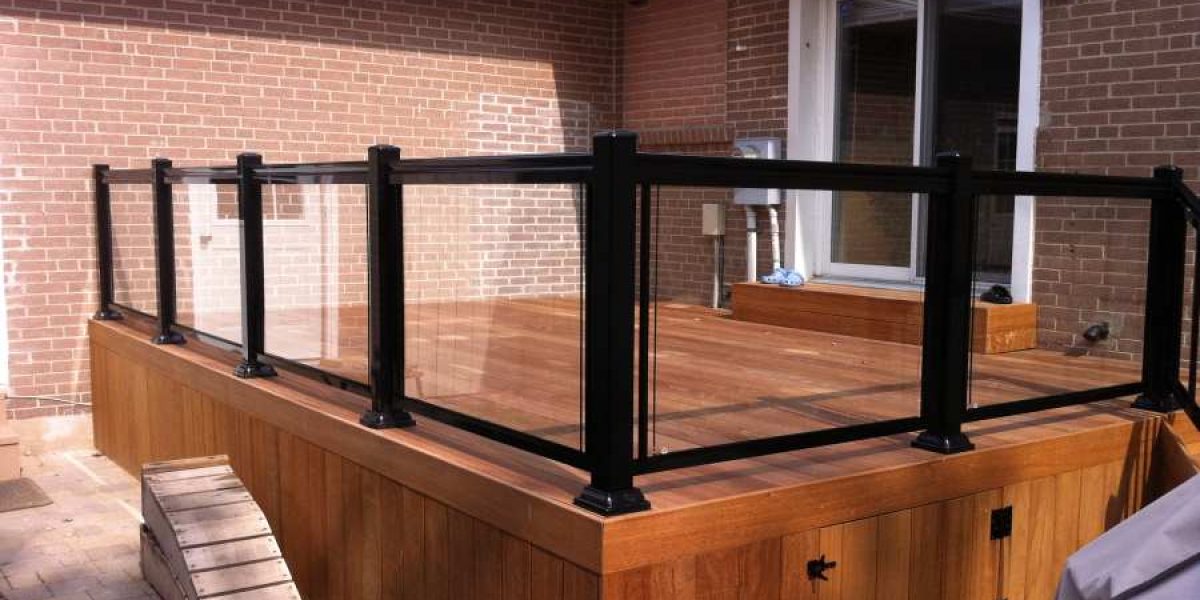
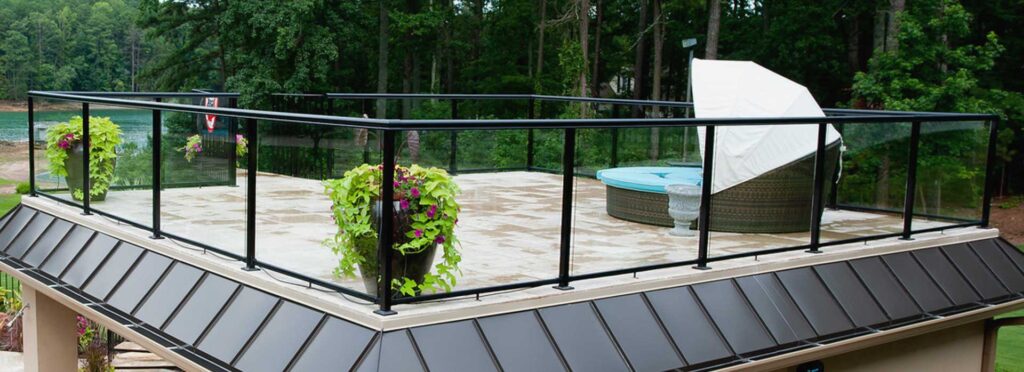
- Framed:
- Provides additional support: Uses metal or wood frames to hold the glass panels in place.
- More traditional look: Can add a touch of warmth and character.
4. Hardware:
- Stainless Steel:
- Most popular choice: Durable, corrosion resistant, and blends well with modern aesthetics.
- Available in various finishes: Brushed, polished, or powder coated.
- Aluminum:
- Lightweight and affordable: Offers good corrosion resistance.
- Wide range of colors and finishes available.
5. Safety Considerations:
- Compliance with local building codes: Ensure your chosen glass railing system meets all applicable safety regulations.
- Child safety: Consider options with top rails to prevent children from climbing over.
- Wind loads: Choose a system that can withstand high winds in your area.
6. Aesthetics:
- Consider the overall design of your balcony or deck: Choose a glass railing style that complements the existing architecture.
- Think about the view: Frameless systems offer the most unobstructed views, while framed systems can add visual interest.
- Choose a glass finish that enhances the appearance of your space: Clear glass provides maximum transparency, while tinted or frosted glass can offer privacy and a more subdued look.
7. Professional Installation:
- Proper installation is crucial: Improperly installed glass railings can be unsafe and may not meet building codes.
- Hire a qualified professional: Experienced installers have the knowledge and expertise to ensure a safe and secure installation.
8. Maintenance:
- Regular cleaning: Keep your glass railing clean to maintain its appearance and prevent damage.
- Inspect for damage: Regularly check for cracks, chips, or loose hardware.
- Professional maintenance: Consider professional cleaning and inspections for thorough maintenance.
By carefully considering these factors, you can choose the perfect glass railing system to enhance the safety, beauty, and functionality of your balcony or deck.
Frequently Asked Questions
What is the most affordable glass deck railing idea that still looks modern?
A framed aluminum system with tempered glass panels is usually the most budget-friendly glass deck railing idea. Aluminum frames cost less than stainless steel, install faster than frameless base-shoe systems, and still deliver the open, modern look. Powder-coated black or bronze frames are popular in the Bay Area for a clean contemporary finish.
Do glass deck railings meet California building code?
Yes, when properly specified and installed. California follows the California Residential Code, which requires guards at least 42 inches high on decks more than 30 inches above grade, with openings no wider than 4 inches. Tempered or laminated safety glass is required. Always confirm details with your local building department before ordering.
Frameless or framed — which glass railing idea is safer for kids?
Both are safe when code-compliant, but framed systems with a top rail add an extra layer of protection for homes with small children. The top rail removes the temptation to climb and adds structural redundancy. Frameless systems are fine too, provided the glass is properly tempered and the installation meets the 4-inch sphere rule.
How thick should glass be for a deck railing?
Half-inch (12 mm) tempered glass is the standard for most residential deck railings in the US. For taller panels, high-wind exposures, or commercial projects, 5/8-inch or 3/4-inch glass may be required. Your installer or engineer should confirm thickness based on local wind loads and the California Building Code.
Can I install a glass deck railing myself, or should I hire a professional?
Framed panel kits can be a DIY project for experienced homeowners, but frameless systems are best left to professionals. Glass panels are heavy, base-shoe anchoring must handle strict structural loads, and mistakes are expensive. Given the safety stakes and permit inspections, most Bay Area homeowners hire a specialist.
How do you clean and maintain a glass deck railing?
Rinse with a hose, wash with mild dish soap and a soft cloth or sponge, and squeegee dry to prevent water spots. Avoid abrasive pads and harsh chemicals. In coastal Bay Area neighborhoods, rinse salt spray off regularly. An anti-scratch or hydrophobic coating applied at installation makes ongoing cleaning noticeably easier.
Will a glass railing make my deck hotter in summer?
Glass railings can reflect some heat, but they do not dramatically raise deck temperatures the way dark composite decking can. Clear glass allows airflow above the rail line and does not trap heat. If glare is a concern, low-iron glass with a slight tint or frosted panels cut brightness while keeping the open feel.
| System | Look | Typical cost per linear ft | Best for |
|---|---|---|---|
| Framed aluminum | Classic, defined lines | $150–$250 | Budget-friendly modern look |
| Semi-frameless | Posts with minimal frame | $200–$350 | Balance of view and cost |
| Frameless base shoe | Clean, unobstructed view | $250–$450 | Premium views, modern homes |
| Frameless standoff | Floating glass look | $300–$500 | High-end minimalist designs |
Glass deck railing ideas by cost per linear foot (installed)
Framed aluminum
$150–$250
Semi-frameless
$200–$350
Frameless base shoe
$250–$450
Frameless standoff
$300–$500
Illustrative Bay Area ranges, not a quote.
Related: ustairs, frameless glass railing, custom railings, anti scratch glass railings, clean scratches glass railing, glass railings wet environments.