Curved staircases are an elegant, timeless feature that can elevate any home, but are they the right choice for your space? Whether you’re building a new home or renovating your current one, a curved staircase could be just the design element you need to make a bold statement. But before you make this investment, it’s important to understand where curved staircases truly shine.
In this article, we’ll explore the spaces where curved staircases work best, the benefits they offer, and whether they’re the perfect fit for your home.
Where Do Curved Staircases Work Best?
Curved staircases are not just about aesthetics they’re about creating an experience. Whether you want to impress guests or add a touch of elegance to your home, a curved staircase can do just that. But where do they work best? Let’s break down some of the spaces where a curved staircase is most suitable:
1. Grand Entryways and Foyers
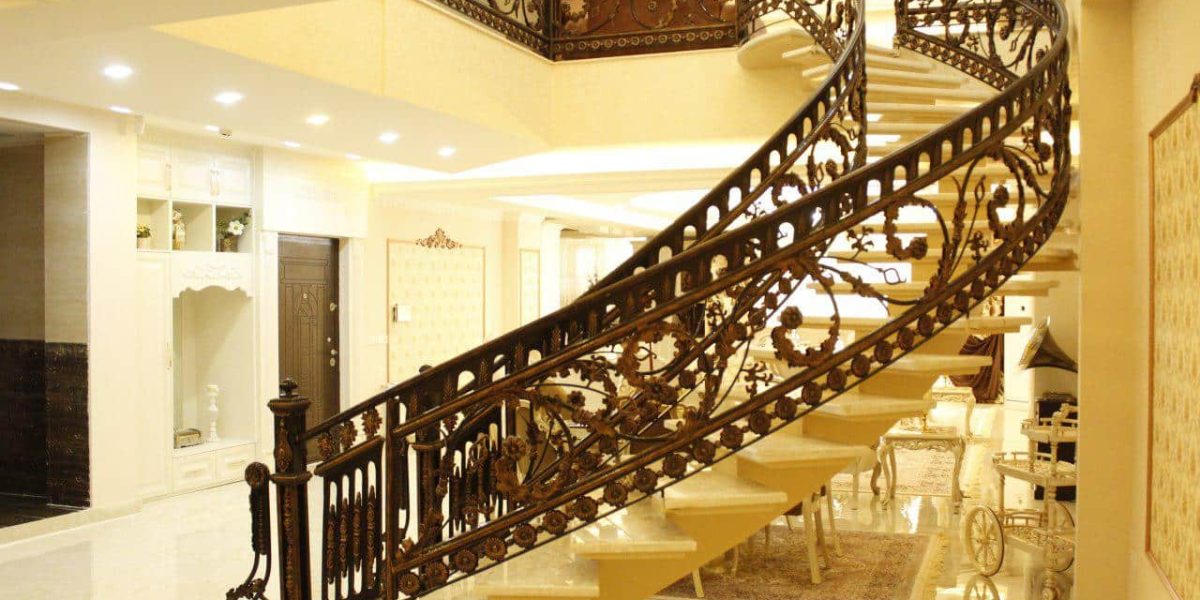
If you have a spacious entryway, a curved staircase is the perfect way to make a dramatic first impression. The sweeping lines create a grand focal point, making the entryway feel open and inviting. A curved staircase can transform an otherwise simple foyer into a luxurious, high end space.
Why It Works: A curved staircase creates a sense of grandeur and elegance, perfectly complementing large open spaces like entryways and foyers.
Best For: Luxury homes, estates, and high ceilinged spaces.
2. Luxury Homes and Estates
For luxury homes, a curved staircase is almost a must have. Its elegant design and craftsmanship add significant value to the property. Whether you’re designing a classic mansion or a modern architectural masterpiece, a curved staircase can elevate the entire aesthetic of your home.
Why It Works: A curved staircase is the epitome of luxury and elegance, offering both visual appeal and a sense of grandeur to large, high end homes.
Best For: Custom designed luxury homes, estates, and mansions.
3. Open Concept Homes and Loft Spaces
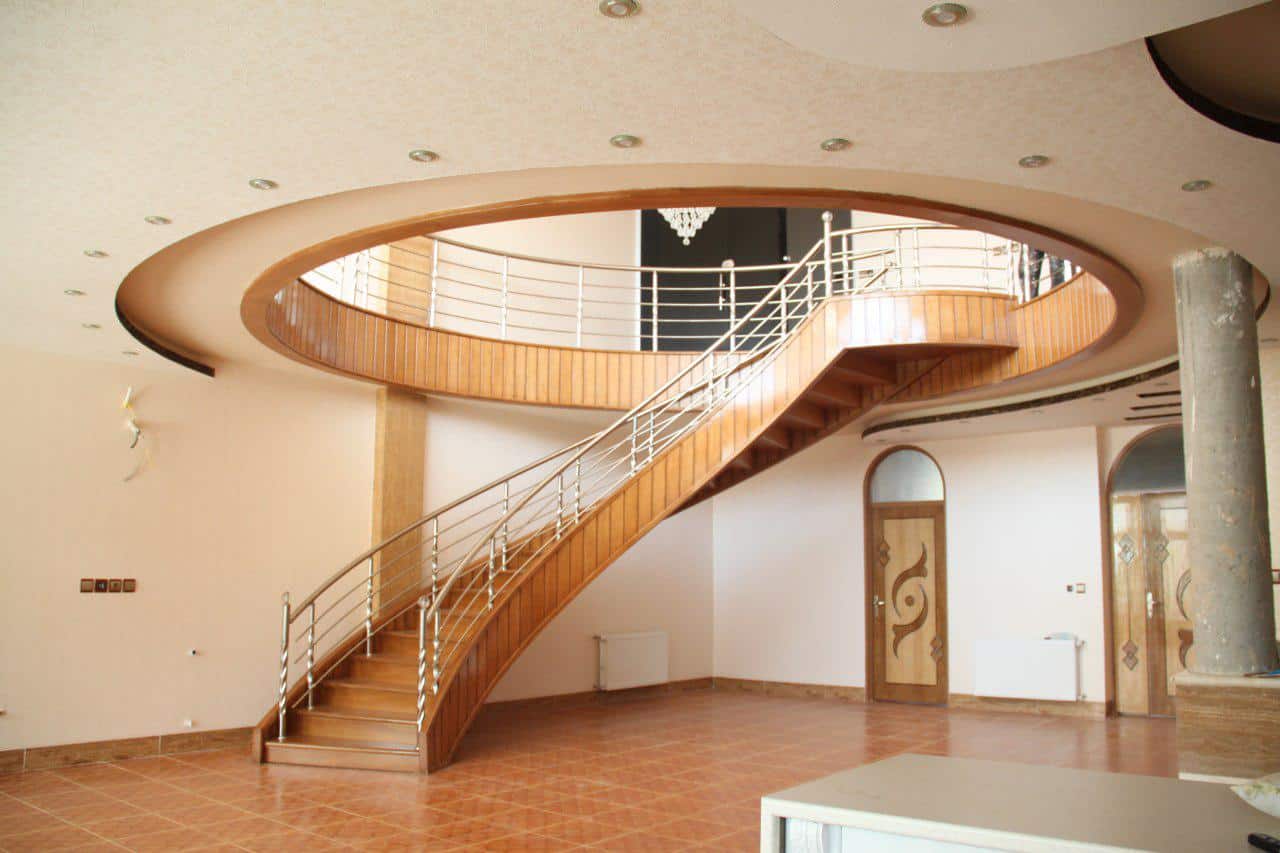
In open concept homes, where spaces blend together seamlessly, a curved staircase can serve as a natural transition between levels. The fluidity of a curved staircase works well with the open and airy layout, enhancing the flow of the room without disrupting the space. Additionally, in lofts, where space is often more compact, a curved staircase can provide a stylish, space saving solution.
Why It Works: Curved staircases are more versatile than straight ones, creating a smooth flow between areas while maximizing available space.
Best For: Open concept homes, loft apartments, and smaller spaces that need a touch of elegance.
4. Traditional or Historic Homes
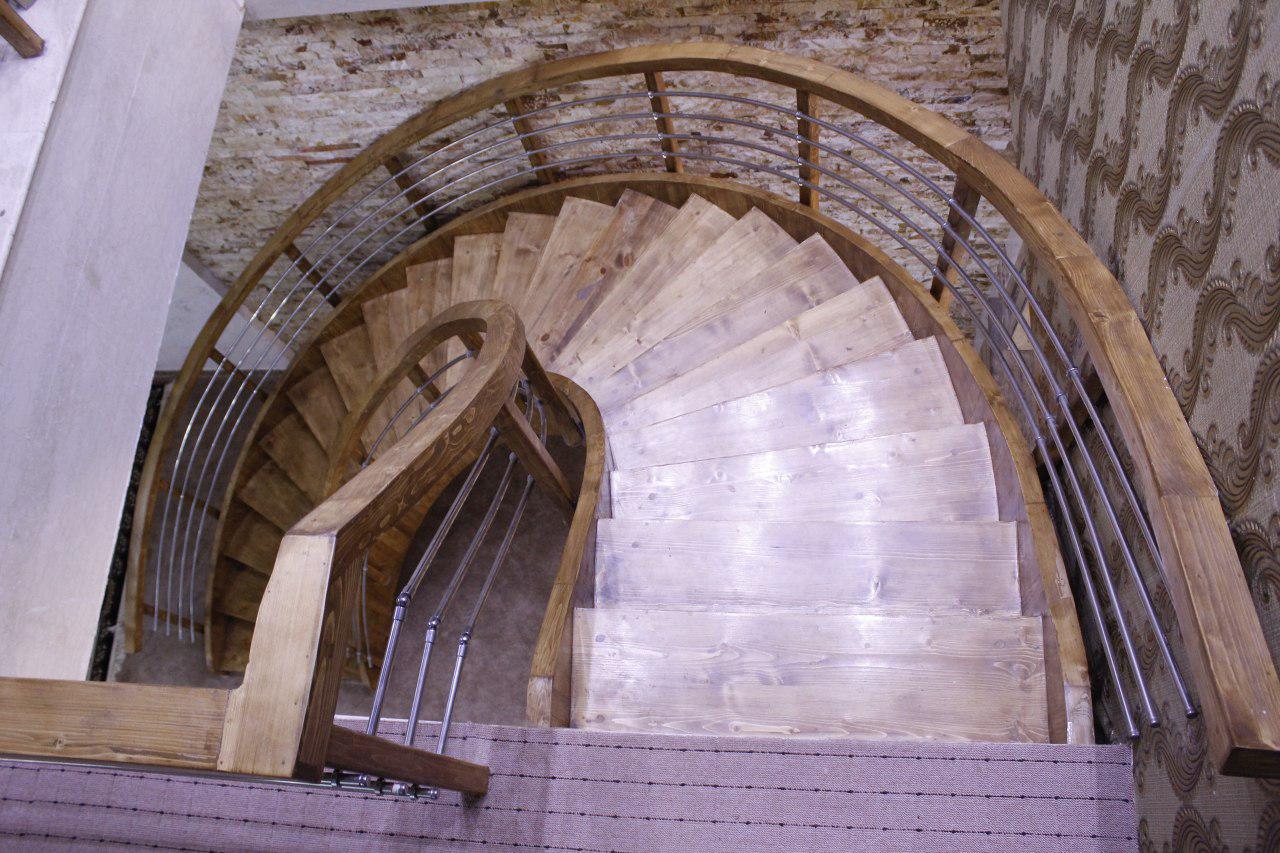
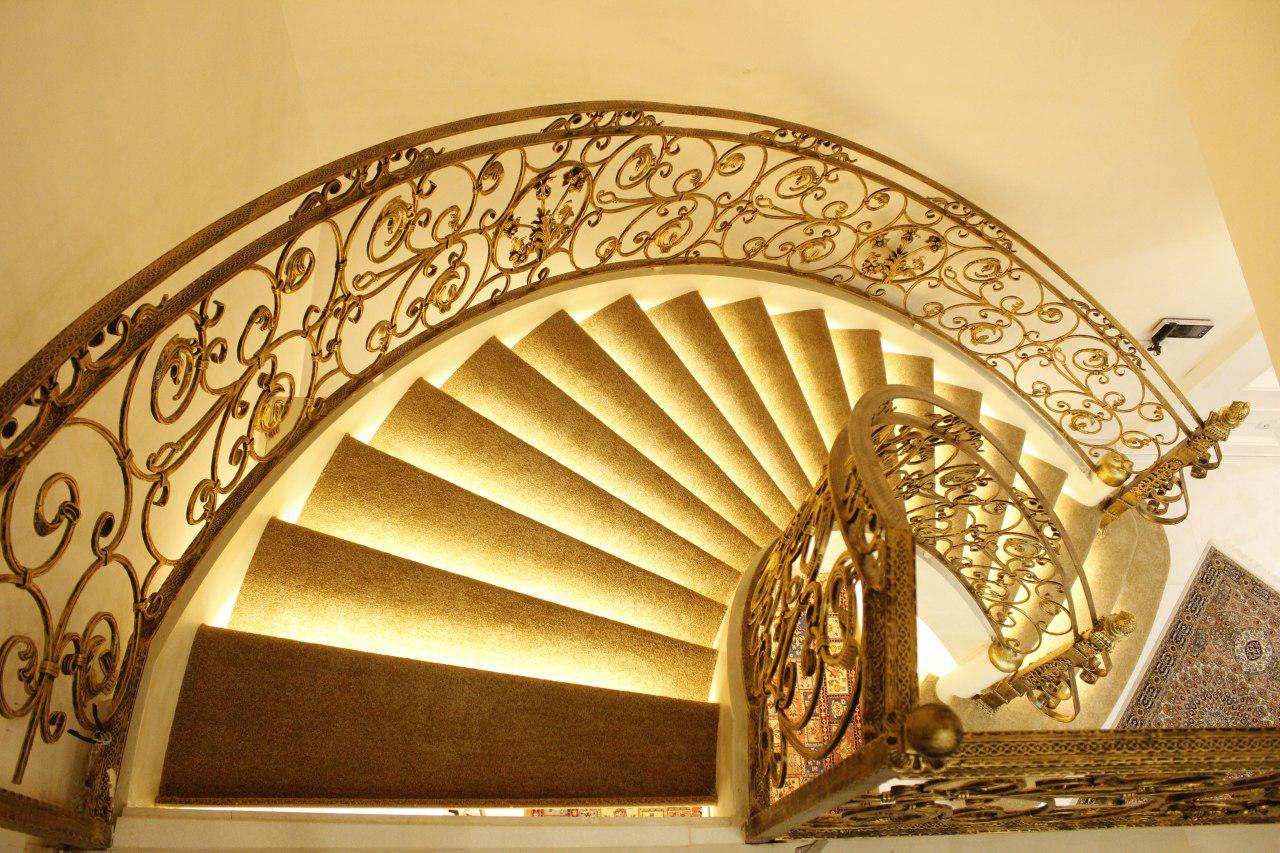
Curved staircases are often a staple in traditional or historic homes. They evoke a sense of history and charm, particularly when paired with classic materials like wood or wrought iron. For those looking to maintain or restore the classic elegance of their home, a curved staircase can serve as a key architectural feature.
Why It Works: Curved staircases have a timeless appeal, and their intricate design adds character and sophistication to traditional or historic homes.
Best For: Restorations, classic and Victorian homes, and homes with rich, traditional décor.
5. Modern and Contemporary Homes
While curved staircases are often associated with classic designs, they can also work in modern and contemporary settings. Sleek, minimalist designs featuring glass, metal, or concrete can make a curved staircase a striking modern feature that balances beauty with function.
Why It Works: Curved staircases can add a touch of softness and elegance to the angular lines and modern finishes of contemporary spaces. With the right materials, they can blend seamlessly into a minimalist design.
Best For: Modern homes, contemporary spaces, and those with a minimalist design.
What Are the Benefits of a Curved Staircase?
Curved staircases offer much more than just visual appeal. Here are some key benefits:
- Aesthetic Appeal: A curved staircase is a statement piece. Its sweeping design can transform a room and add a sense of luxury and elegance.
- Space Efficiency: While curved staircases might seem large, they can often be designed to take up less space than traditional straight staircases, making them ideal for homes with limited floor space.
- Timeless Elegance: Whether you choose a classic wood design or a modern metal finish, a curved staircase is always in style and adds value to your home.
- Smooth Transition: A curved staircase offers a gentle, smooth transition from one floor to another, enhancing the flow and movement of your space.
Is a Curved Staircase Right for Your Home?
Now that we’ve discussed where curved staircases work best, the next question is: Is it the right choice for your home? If you have a large, open space or a home with high ceilings, a curved staircase can make a bold, luxurious statement. However, it’s also a significant investment, so it’s important to consider the layout of your home, the space available, and your personal style preferences.
A curved staircase is a great choice if you want to add grandeur, elegance, and a touch of timeless appeal to your home. But remember, it’s a feature that works best in larger spaces or homes where you want to emphasize style and flow.
Why Choose uStairs for Your Curved Staircase?
At uStairs, we specialize in designing and building custom curved staircases that suit your style, space, and needs. Whether you’re looking for a classic, elegant staircase or a modern, minimalist design, our expert team will work with you to create a staircase that elevates your home’s design.
Ready to Add a Curved Staircase to Your Home?
If you’re considering a curved staircase for your home, look no further than uStairs. Our team of experienced designers and craftsmen will help you create the perfect staircase to fit your space and style.
Contact us today to schedule a consultation and let us help you design the staircase of your dreams.

Frequently Asked Questions
What is a curved staircase?
A curved staircase features smooth, rounded treads that create a flowing, continuous shape. They can be gentle or more dramatic in their curve, depending on the design.
How much space do I need for a curved staircase?
Curved staircases tend to take up more space than straight staircases, but they can be designed to fit a variety of spaces, including large open areas and compact lofts.
Are curved staircases expensive?
Due to the complexity of the design and the craftsmanship required, curved staircases can be more expensive than traditional straight stairs. However, they add significant value to your home.
Frequently Asked Questions
Do curved staircases meet US building code?
Yes, when designed correctly. The International Residential Code requires at least 6 feet 8 inches of headroom, risers no taller than 7¾ inches, and treads at least 10 inches deep measured 12 inches from the narrow side. Handrails must sit 34–38 inches high and run continuously. California follows the California Residential Code, so always confirm details with your local Bay Area building department before construction begins.
How long does it take to build a custom curved staircase?
A custom curved staircase typically takes 8–16 weeks from design approval to finished installation. Engineering and shop drawings take 2–4 weeks, fabrication of the curved stringer and treads takes 4–8 weeks, and on-site installation takes 1–2 weeks. Complex designs with curved glass railings can run longer. Ordering early keeps your broader remodel or new-build project on schedule.
What railing styles work best on curved stairs?
The most popular options are curved glass railings for an open, modern look, custom-bent metal handrails in steel or brass, and traditional wood handrails steam-bent to the curve. Cable railing is rarely used on tight curves because the cables cannot follow the radius cleanly. Your choice affects both cost and the final aesthetic, so decide on the railing during the design phase.
Are curved stairs harder to maintain than straight stairs?
Slightly. The curved treads and custom railings need the same basic care — regular cleaning and periodic refinishing for wood — but repairs cost more because replacement parts are custom-made rather than off the shelf. Glass railings on curves need frequent wiping to stay streak-free. Budget a little extra for long-term upkeep compared with a standard straight staircase.
Can a curved staircase be retrofitted into an existing home?
Sometimes. Retrofitting requires enough open floor space for the sweep of the curve plus structural support for the new stringer, which often means opening ceilings or floors. A structural engineer must verify the framing can carry the load. In many existing homes, an L-shaped or U-shaped staircase is a more practical upgrade, so get a professional assessment first.
Do curved staircases add resale value?
They can. A well-built curved staircase is a striking architectural feature that makes a listing memorable and signals high-end craftsmanship to buyers. Real estate professionals note that statement staircases help luxury homes stand out. However, you rarely recover the full construction cost at resale, so build one because you love it — not purely as an investment.
| Feature | Straight Stairs | Curved Stairs | Spiral Stairs |
|---|---|---|---|
| Floor space needed | Least | Most | Compact footprint |
| Typical installed cost (US) | $3,000–$12,000 | $25,000–$100,000+ | $5,000–$25,000 |
| Design impact | Classic, simple | Dramatic focal point | Space-saving statement |
| Code complexity | Standard IRC rules | Custom engineering often needed | Special IRC spiral provisions |
| Best for | Most homes | Grand entries, luxury homes | Tight spaces, lofts |
| Railing options | Any style | Curved glass, bent metal or wood | Spiral-specific kits |
Typical installed cost by staircase type (US)
Typical ranges, not quotes; varies by materials and region.
Related: curved stairs · custom railings · california staircase code · open riser stairs · loretto chapel staircase